Introduction
Coding has become one of the most valuable skills for children in today’s digital world. Many parents enroll their kids in coding classes with the hope that they will develop future-ready skills, improve problem-solving abilities, and gain confidence in technology. Initially, children often show excitement and curiosity when they begin learning coding, especially when they are introduced to fun tools and creative activities.
However, this excitement does not always last. A large number of children gradually lose interest and stop learning coding altogether. This can be frustrating for parents who want their children to benefit from these skills. Understanding the reasons behind this loss of interest is important, as it helps parents and educators create better learning experiences that keep children motivated and engaged.
Common Reasons Kids Lose Interest in Coding
One of the most common reasons children lose interest in coding is that it starts to feel too difficult too quickly. When beginners are introduced to complex concepts without proper guidance, they may feel confused and overwhelmed. This lack of clarity can reduce their confidence and make them feel like coding is not for them.
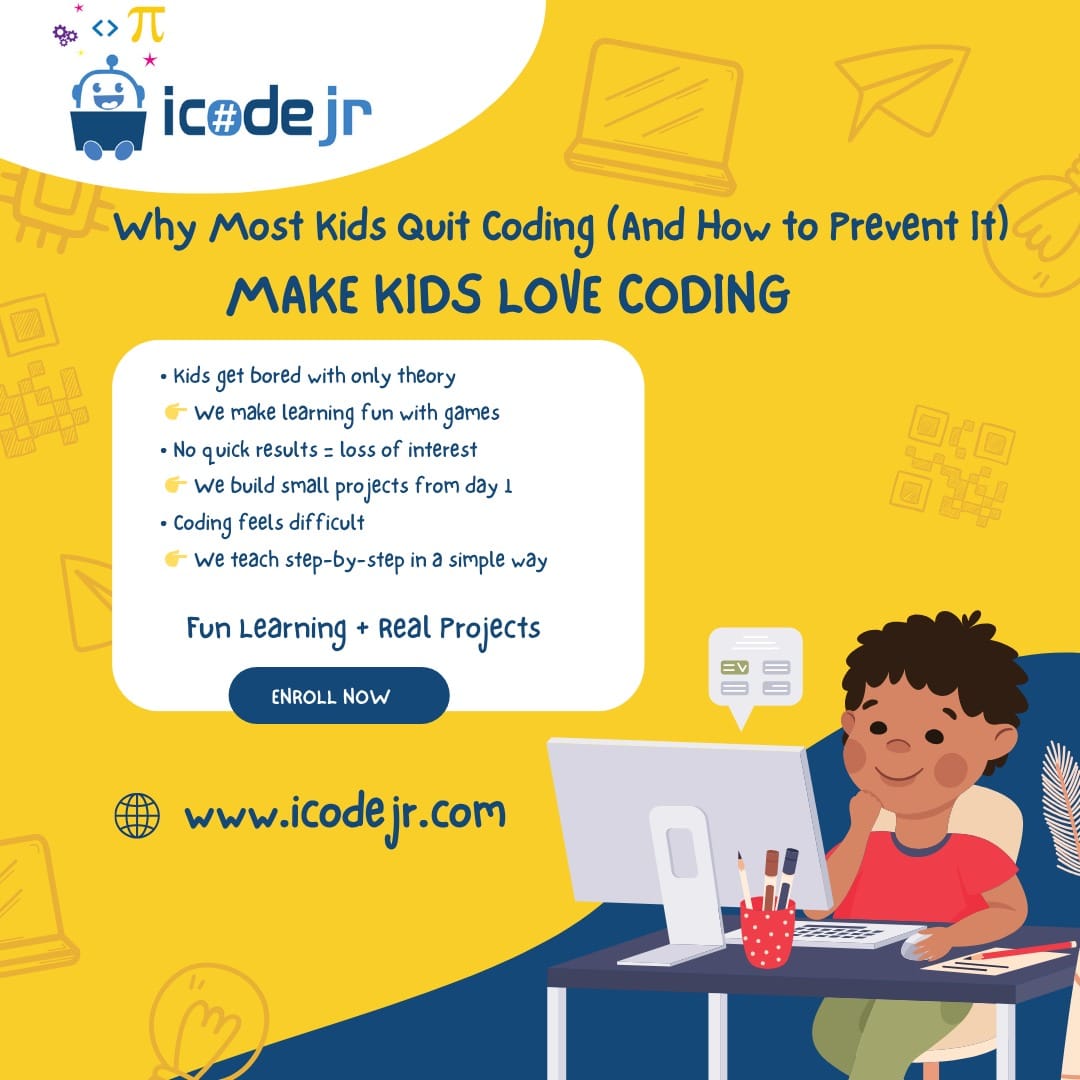
Another reason is the lack of visible progress. Children need to see results to stay motivated. If they spend long hours learning without creating something meaningful, they may lose interest. Additionally, boring or repetitive teaching methods that focus too much on theory rather than practice can make the learning experience dull and unengaging.
The Role of Engagement in Learning
Engagement plays a crucial role in keeping children interested in coding. Kids learn best when they enjoy what they are doing and feel actively involved in the process. Interactive learning methods, where children can experiment and explore, make coding more exciting and easier to understand.
Gamified learning is especially effective for young learners. When coding is presented through games, challenges, and rewards, children feel motivated to continue. Real-world projects also help them understand the practical use of coding, making the learning process more meaningful and relatable.
Importance of Early Success and Confidence
Early success is one of the most powerful motivators for children. When kids are able to create something simple, like a small game or animation, they feel a sense of achievement. This boosts their confidence and encourages them to explore more.
Without these early wins, children may feel that their efforts are not leading to any results. This can make them lose interest quickly. Providing opportunities for small achievements helps build curiosity and keeps them excited about learning coding.
Choosing the Right Learning Approach
The way coding is taught has a big impact on how children respond to it. A structured and beginner-friendly approach ensures that children understand basic concepts before moving to advanced topics. This step-by-step learning process prevents confusion and builds a strong foundation.
It is also important to choose learning platforms that focus on interactive and practical experiences. Programs that include hands-on projects, creative tasks, and personalized guidance make learning more effective. When children enjoy the process, they are more likely to stay consistent and motivated.
Encouraging Creativity Through Coding
Coding is not just about writing instructions for computers—it is also a creative activity. Allowing children to build projects based on their interests can significantly increase their engagement. Whether it is designing a game, creating an animation, or developing a simple app, creative freedom makes learning more enjoyable.
When children feel that they have control over what they create, they become more invested in the process. This sense of ownership encourages them to experiment, try new ideas, and continue learning with enthusiasm.
Role of Parents and Mentors
Support from parents and mentors plays a vital role in a child’s coding journey. Even if parents do not have technical knowledge, their encouragement and involvement can make a big difference. Showing interest in what children are learning and appreciating their efforts helps boost their confidence.
Mentors and teachers also contribute by providing guidance and motivation. They help children overcome challenges and ensure that learning remains positive and engaging. A supportive environment makes children feel comfortable and encourages them to keep exploring.
Making Coding Fun and Stress-Free
One of the biggest mistakes is turning coding into a stressful or forced activity. Children learn better when they are relaxed and enjoying the process. Keeping lessons fun, interactive, and pressure-free helps maintain their interest.
It is important to allow children to learn at their own pace. Avoid comparing them with others or setting unrealistic expectations. When learning feels like a fun activity rather than a task, children are more likely to stay engaged and motivated.
Building Consistency in Learning
Consistency is key to mastering any skill, including coding. However, consistency does not mean long hours of practice. Short and regular learning sessions are more effective and less overwhelming for children.
Creating a routine where coding becomes a part of daily or weekly activities helps build a habit. Over time, this consistency improves their skills and keeps them connected to the learning process without losing interest.
Conclusion
Coding is an important skill that can open many opportunities for children in the future. However, losing interest is a common challenge that many kids face during their learning journey. By understanding the reasons behind this and addressing them effectively, parents and educators can create a more engaging and enjoyable experience.
With the right approach, coding does not have to be difficult or boring. By focusing on interactive learning, early success, creativity, and consistent support, children can stay motivated and develop valuable skills that last a lifetime.